
Contextual Solutions Blog
This page is dedicated to our original and curated content about FinTech, digital banking, LegalTech, and innovation.
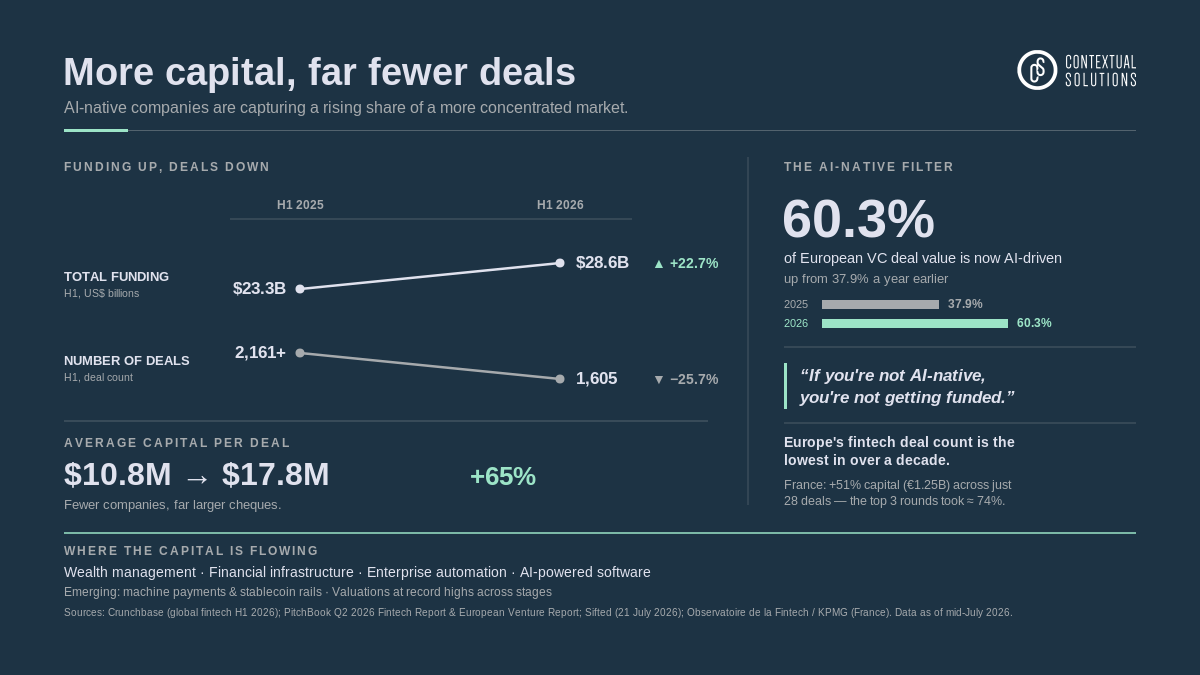
Why European fintech is narrowing on the AI-native
H1 2026 brought European fintech's thinnest deal count in more than a decade, even as global funding climbed to $28.6 billion. The money is pooling into fewer, larger, AI-native bets, and regulation is widening the gap between the funded and the frozen.
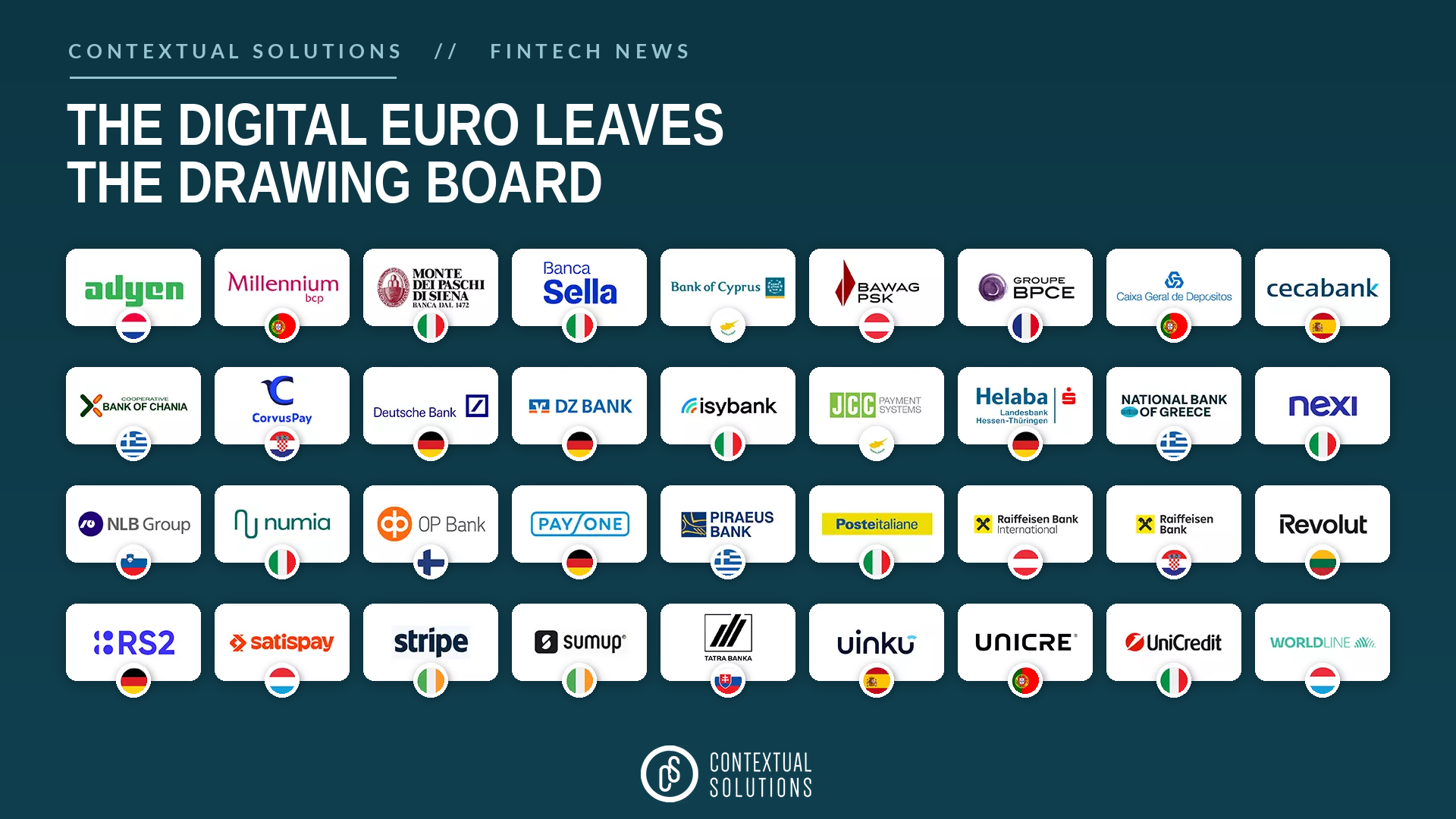
The digital euro leaves the drawing board
After six years of reports and legislation, the ECB has named the 36 firms that will test a working digital euro from 2027. The pilot turns Europe's central bank digital currency into an operational project and starts the clock toward a possible 2029 launch.
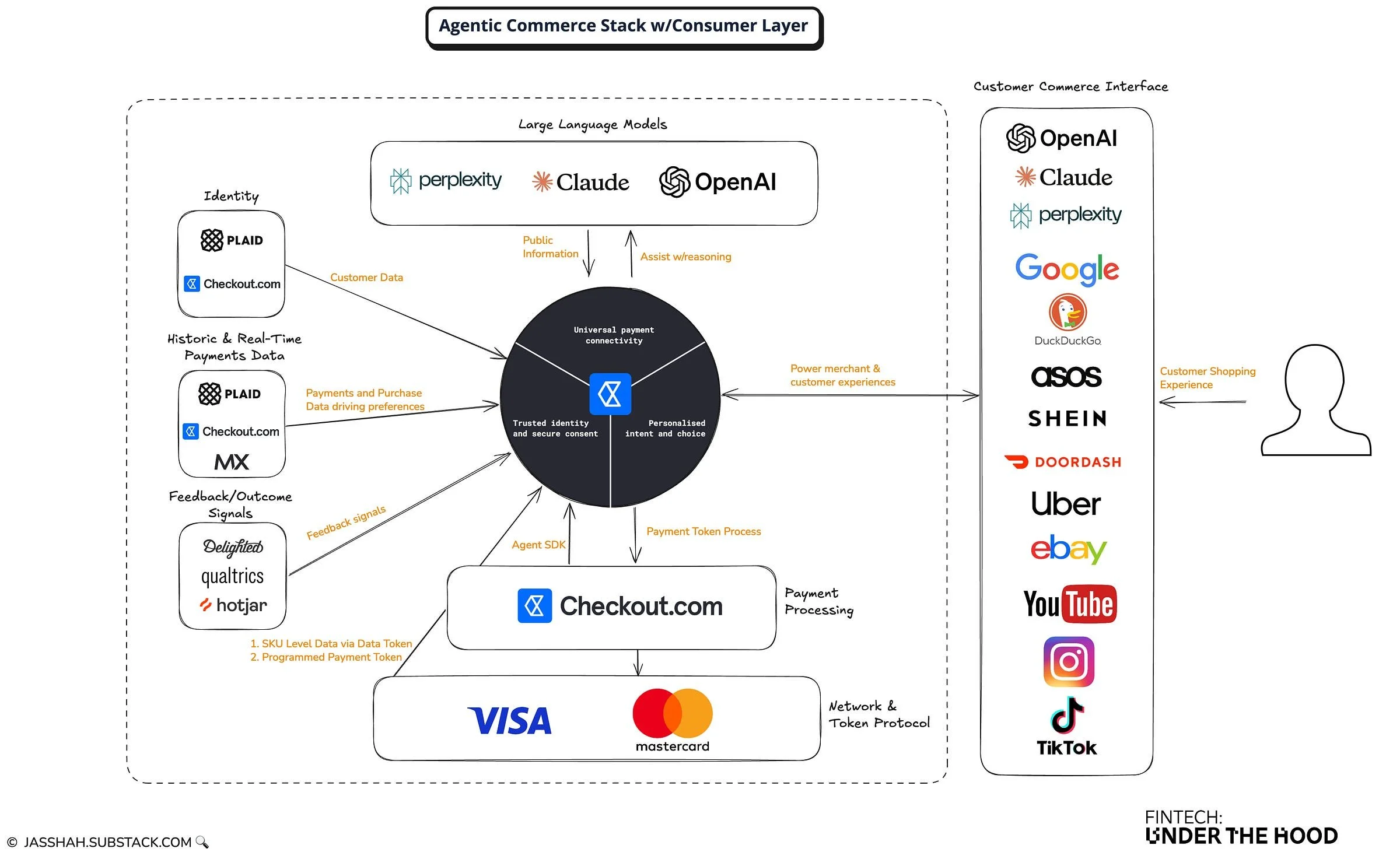
Europe’s First Live AI Agent Payment
In a landmark development for European fintech, CaixaBank has executed the continent’s first live payment initiated by an artificial intelligence agent in collaboration with Visa.
Using real card data and existing payment rails, the July 2026 transaction proves that agentic commerce is no longer theoretical. This article examines the technical details, CaixaBank’s broader AI strategy, Visa’s wider European rollout across 30+ issuers, and the strategic implications for banks, networks, merchants, and regulators as agentic payments move into production.
Key themes covered: agentic commerce Europe, AI-driven payments, infrastructure readiness, risk and compliance challenges, and what executives should do next.

Europe Is Betting on an Open-Source Frontier AI Model
In June 2026, the European Commission chose the EUROPA consortium, led by Italian AI company Domyn, to develop a large-scale open-source frontier AI model. The project aims to give Europe sovereign capabilities in advanced AI while supporting all 24 official EU languages. This deep dive explores the background, strategic significance, challenges, and what the initiative could mean for Europe’s position in the global AI race.

The Day Europe Voted for Its Own Money
On 23 June 2026, the European Parliament’s ECON Committee delivered a landmark vote on the digital euro, clearing a major hurdle toward the launch of Europe’s central bank digital currency. The decision represents one of the most significant moves yet in Europe’s push for payments sovereignty and reduced reliance on US networks. In this deep dive, we examine what the vote actually delivers, the remaining battles over compensation and holding limits, and what finance and fintech executives across Europe need to prepare for between now and 2029.
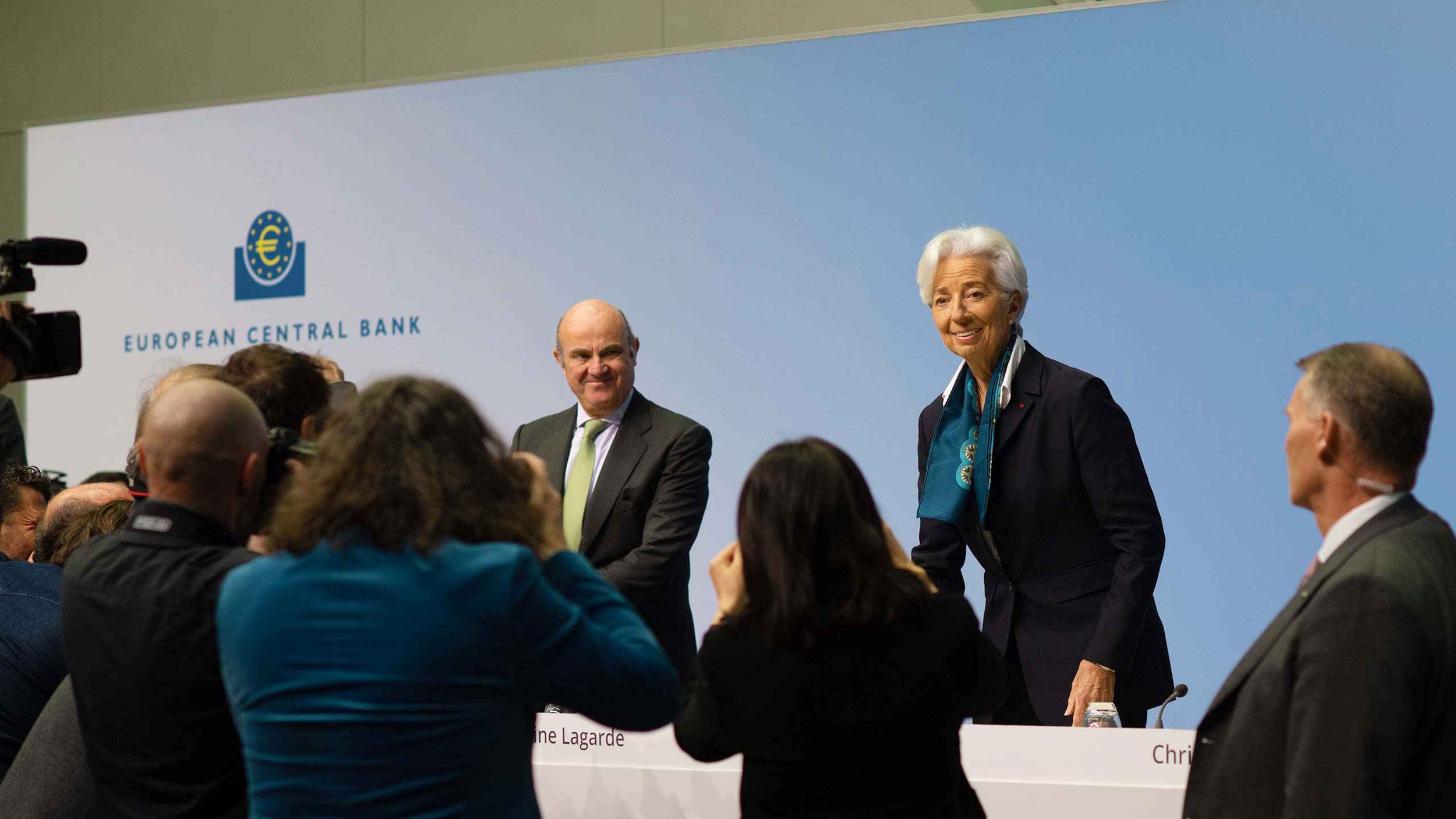
On Public Rails
ECB President Christine Lagarde has delivered a clear message to Europe’s financial sector: tokenized finance will not reach institutional scale without settlement in central bank money.
Speaking at the ECB’s “Money in transition” conference on 15 June 2026, Lagarde warned that without a risk-free central bank anchor, tokenized markets risk fragmenting into isolated “private islands.” She cited feedback from over 60 industry stakeholders who confirmed they will not scale tokenized assets without central bank-backed rails.
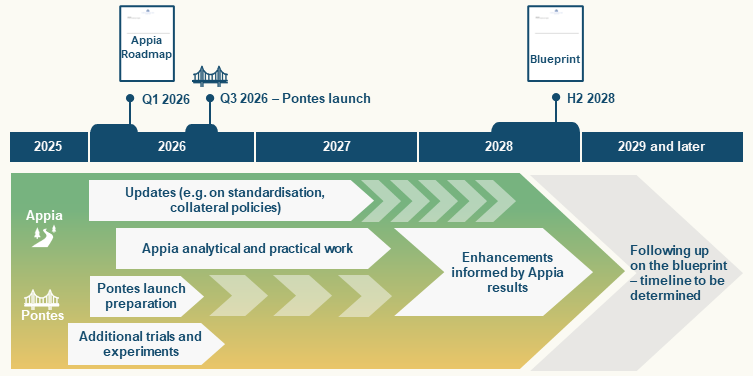
In this deep dive, we unpack Lagarde’s full remarks, the strategic context behind them, and the two flagship initiatives designed to deliver on her vision: the Pontes project (initial launch Q3 2026) and the Appia roadmap (blueprint targeted for 2028). We also examine what this means for European banks, fintechs, stablecoin issuers, and the future of wholesale capital markets.

Europe's banks are consolidating again
After years of dormancy, European banking is experiencing a genuine resurgence in consolidation. From UniCredit’s high-profile pursuit of Commerzbank to Erste Group’s successful cross-border move into Poland, a new wave of M&A is reshaping the continent’s financial landscape.
This article examines the major players, market forces, and regulatory dynamics driving the deals — along with insights from industry leaders like UniCredit CEO Andrea Orcel. Discover what this consolidation trend means for efficiency, competitiveness, digital transformation, and the long-term structure of European finance.

The Agentic Age Arrives in European Finance
At Money20/20 Europe 2026, one theme dominated discussions — the rapid shift from assistive AI to autonomous agentic AI systems that can plan, decide, and execute financial tasks with minimal human intervention.
From self-optimising payments and autonomous fraud response to dynamic credit decisioning and AI-driven treasury management, agentic AI is moving from experimentation to real-world deployment. Industry leaders, including Antony Jenkins of 10x Banking and the FCA’s Colin Payne, shared sharp insights on the competitive advantages and regulatory challenges ahead.

Washington Tries to Rewire the Plumbing of American Finance
President Trump signed a significant Executive Order on May 19, 2026, titled “Integrating Financial Technology Innovation into Regulatory Frameworks.” The order directs federal regulators to streamline rules, reduce barriers for fintech firms, and evaluate expanded access to Federal Reserve payment systems for non-banks and crypto companies.
Europe's New Payments Law Reassigns the Cost of Fraud
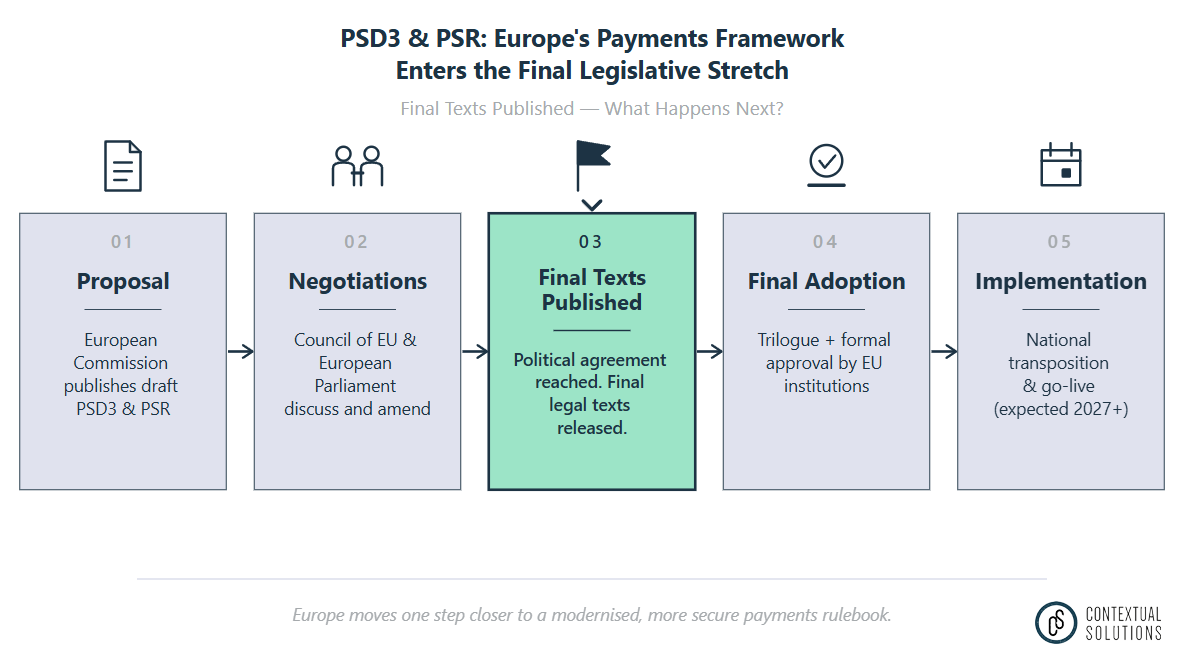
The European Union has published the final texts of the Payment Services Directive 3 (PSD3) and the Payment Services Regulation (PSR). With political agreement now reached, the bloc’s payments framework moves into the final stretch of the legislative process, setting the stage for significant changes in how payments are regulated across Europe.
Europe's Quiet Push to Rewire Its Financial System
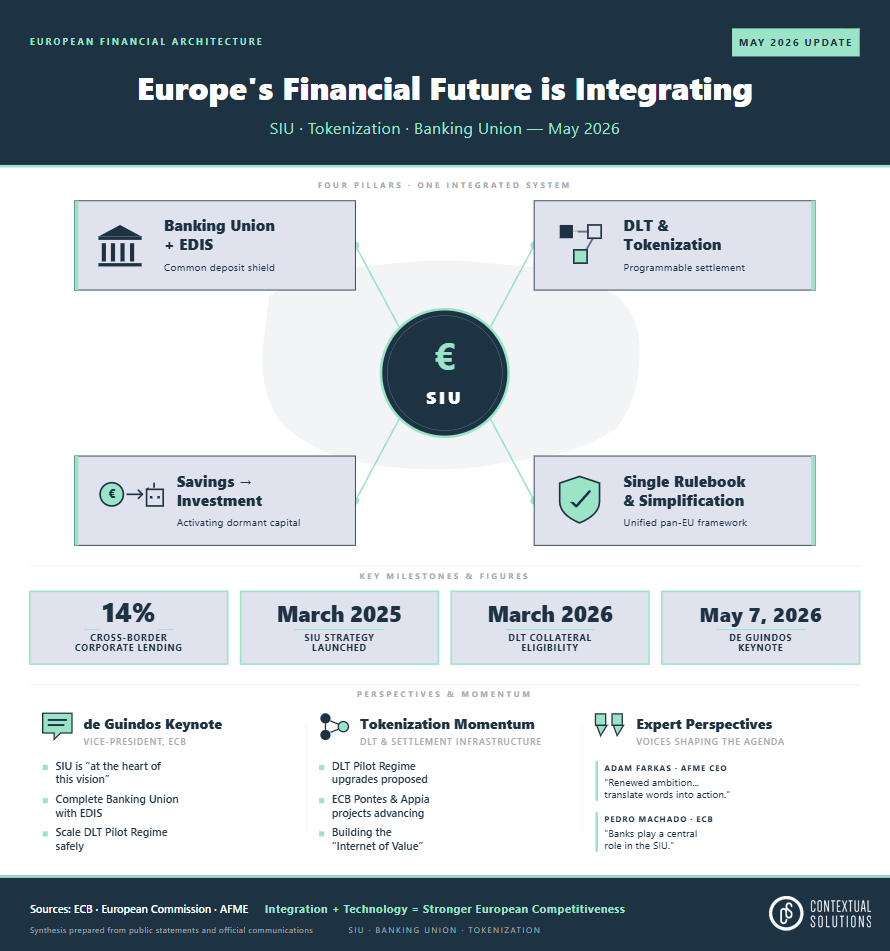
When ECB Vice-President Luis de Guindos took the stage in Frankfurt, he didn’t just repeat old calls for integration — he framed the Savings and Investments Union (SIU) as Europe’s most consequential attempt yet to fix its fragmented financial system. With cross-border lending stuck at just 14%, equity integration declining, and tokenized markets at risk of moving elsewhere, de Guindos and EU policymakers are pushing hard to complete the Banking Union with EDIS and modernize finance through DLT. The stakes are no longer just technical — they’re about whether Europe can retain capital, talent, and competitiveness in a world moving faster.
Europe's Tokenized Markets Cannot Wait for Brussels
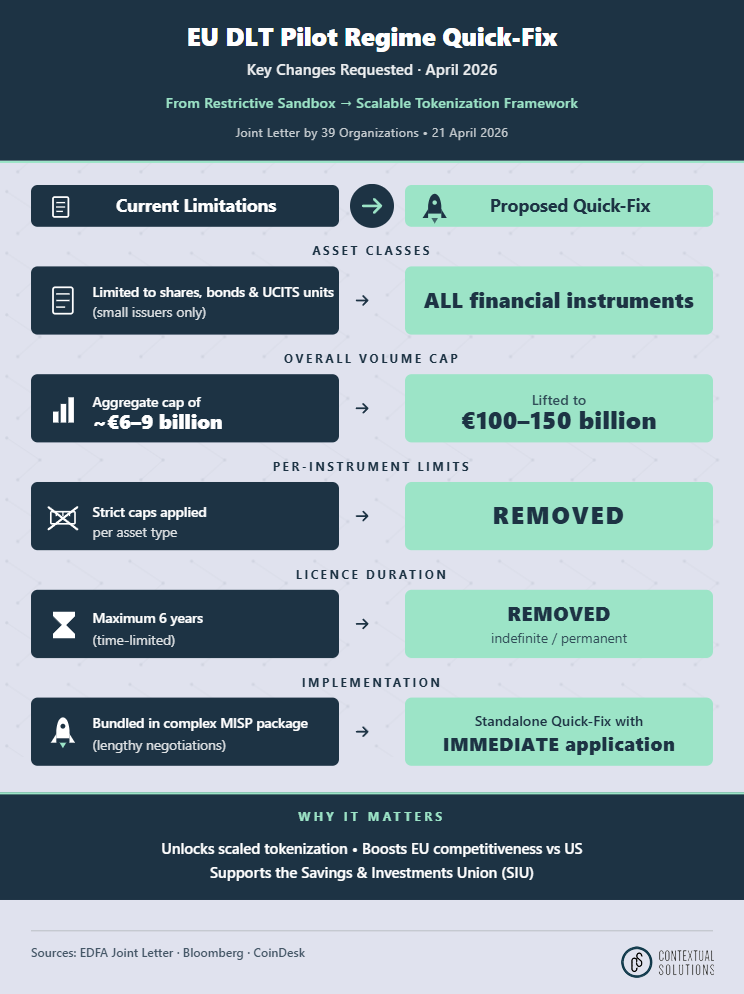
When thirty-nine of Europe's largest financial firms sign the same letter on the same day, it is rarely because the regulatory weather is fine. Inside the DLTPR Quick-Fix push and what it would mean for European tokenized markets.
Europe's Quiet Rebalancing
After years of being told Europe builds clever companies that America buys, the story is changing. In Q1 2026, European startups raised $17.6 billion in venture capital — a nearly 30% year-on-year increase and the second consecutive quarter of growth. AI captured more than half of all funding, while the continent’s fintech ecosystem quietly achieved rough parity with the United States for the first time.
Europe's First Instant Payments Report Card
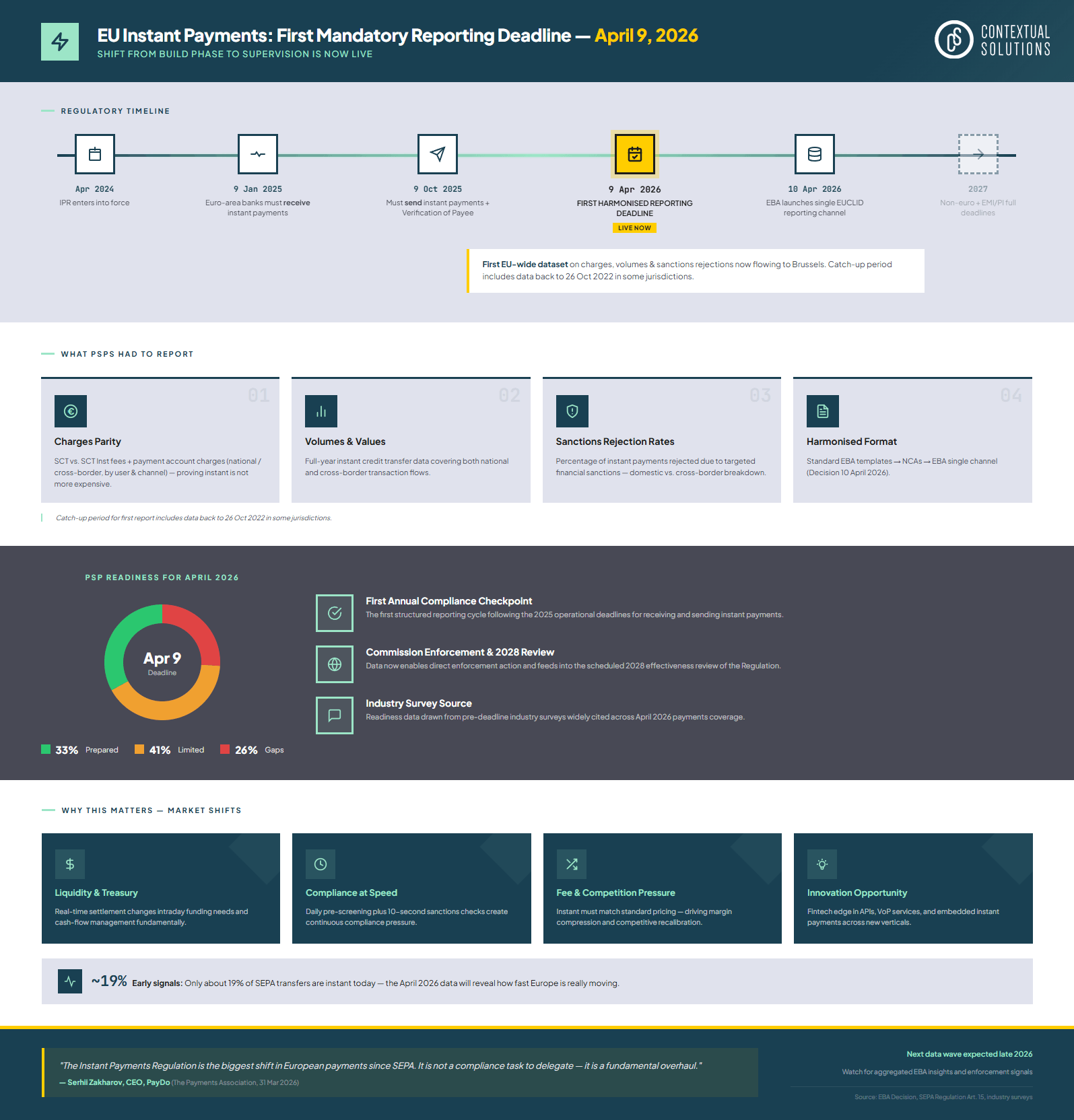
Last week, every payment service provider in Europe filed its first standardized report under the Instant Payments Regulation. The data covers fees, rejection rates, and adoption levels across the eurozone. With only a third of banks reporting full readiness, the filings mark the moment the IPR shifts from infrastructure mandate to supervised market reality, with enforcement consequences for those falling short.
Europe Just Laid the Foundation for Its Tokenised Financial Future
On 11 March 2026, the Eurosystem published the Appia roadmap, a strategic initiative to build an integrated European tokenised wholesale financial ecosystem anchored in central bank money. Together with Pontes, a DLT bridge launching in Q3 2026, Appia represents the ECB's most decisive move yet to address platform fragmentation, provide a trusted settlement anchor, and lay the groundwork for a single digital financial market across Europe. The consultation window is open, and the blueprint is being drawn now.

Europe Is Building Its Own Payments System, and the Urgency Is Real
Merchants are joining Europe's Wero digital wallet citing "international resilience" as transatlantic tensions mount. With 52 million users, major processor partnerships, and a new interoperability agreement spanning 13 countries, the European Payments Initiative is closer than ever to building a continental payments rail free from American infrastructure. The next twelve months will determine whether it succeeds.
The 2026 German Fintech & Banking Market: How Europe’s Largest Economy Learned to Reward Resilience Over Hype
The era of blitzscaling in German fintech is definitively over. A comprehensive 2026 report reveals a maturing financial landscape where profitability, strict BaFin compliance, and "agentic" AI are driving the industry forward. From Trade Republic's profitable rise to N26's regulatory hurdles, discover how Europe's largest economy is rewarding durable infrastructure over venture-fueled hype.

Berlin's Quiet Bet on Financial Wellbeing
With over 160 fintechs and a new publicly backed innovation hub, Berlin is testing whether structured collaboration and a focus on financial wellbeing can give it a lasting edge in European fintech.

Europe's Digital Money Moment Is Arriving. Are Its Banks Ready?
The Digital Euro Conference 2026 arrives as the ECB moves from preparation to action, with a pilot call for payment service providers imminent and legislation expected by mid-year. For European banks and fintechs, the window to shape the digital euro's design is narrowing fast.

The Collapse That Private Credit Hoped Would Never Come
When UK bridging lender Market Financial Solutions abruptly collapsed into administration, it left a £2.4 billion loan book and major Wall Street institutions counting their losses. Beyond the allegations of double-pledging and fraud, the failure serves as a glaring warning about the structural vulnerabilities and opacity lurking within the rapidly growing private credit and fintech sectors.
Want to say hello or find out more? Contact us.
info@contextuals.de
www.contextualsolutions.de
Contextual Solutions
Berlin, Germany